
Yes, you can use fabric softener on towels as long as you stick to the amount the bottle recommends. We washed towels with and without softener over several cycles, and the overdosed loads turned noticeably stiff and less absorbent.
Here’s what the coating actually does to towel fibers, when it becomes a problem and what to use instead if you want to skip it entirely.
Quick Summary
- Too much coating works against a towel’s own job of soaking up water. Match the dose to the label and the coating stays helpful.
- Keep the dispenser drawer and door seal clean. That’s where washing machines build up the most bacteria and the strongest musty smell.
- Swap in white vinegar for the rinse or baking soda for the wash instead. Both cut residue without leaving any coating behind.
How Fabric Softener Works on Towel Fibers
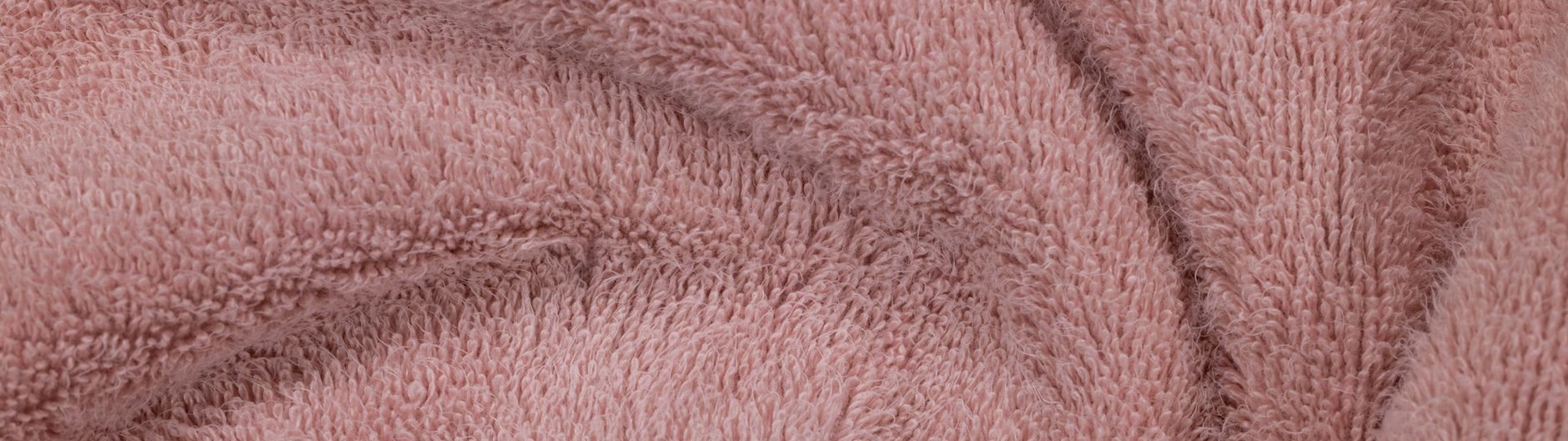
Here’s what the coating actually deposits on a towel’s fibers. Towels handle that differently than other laundry, and the dose decides how much it matters.
1. The Coating That Creates the Soft Feel
On a towel, the soft feel starts with a cationic surfactant, a compound with two long alkyl chains and a positive charge [1]. That charge pulls the surfactant onto the surface of each cotton fiber, which carries a negative charge of its own.
As the towel dries, those particles collapse into a thin, water-blocking layer over each fiber. The coating left behind later decides how much water the towel can pull in.
On a towel’s thick terry loops, that surface coating is what keeps the pile from feeling stiff or scratchy after drying. Naturally dried cotton stiffens because hydrogen bonds form between fibers, and the coating gets in the way of those bonds forming.
You still wash towels with laundry detergent first. Softener only conditions whatever that detergent leaves behind, the same way a hair conditioner follows shampoo instead of replacing it.
2. Why Towels Need to Stay Absorbent
A towel only works if water can get past that same coating. The whole job of a towel is to pull water into its loops, and a coating built to repel water works against that.
Peer-reviewed research on softener-treated cotton towels frames this as a real trade-off: the same coating that creates the soft feel is also what blocks some water absorption [2].
That coating effect is specific to cotton. Synthetic fibers like polyester hold far less bound water, so they don’t stiffen the same way after drying.
3. Label-Directed Amount vs. Overuse
Even at the label-recommended amount, that same effect still applies rather than only showing up with heavy overuse, though it isn’t enough on its own to stop a towel from doing its job.
What Happens With Heavy or Frequent Use
Here’s when that same coating turns into a real problem, both on the towel and inside the machine that washes it.
1. Buildup on the Fibers
Add too much fabric softener too often, and the coating stops washing off between loads. That leftover film layers on top of the coating already there, stacking another round of the same absorbency trade-off softener creates every wash.
A university guide to laundering names towels directly: too much fabric softener “can diminish the effectiveness of towels” [3]. That happens because too little detergent in the wash lets the softener carry over instead of rinsing fully away.
That same guide notes a visual cue too: fabric loaded with too much softener starts looking dingy and feels greasy to the touch. Both are signs the softener is building up instead of rinsing away.
2. Bacteria in the Dispenser and Door Seal
Researchers who swabbed the detergent drawer and door seal of household washing machines found some of the highest microbial counts right there.
That’s a warm, damp pocket that leftover residue helps feed. Researchers linked that same kind of buildup to the machine’s malodor [4].
Average counts ran about 2.1 x 10⁴ CFU per square centimeter across the machines tested. The dirtiest spots topped 10⁵. That same contamination is enough to leave staining behind too, on top of the smell.
Those biofilms don’t just stay in the machine. They might act as a reservoir for potentially pathogenic microorganisms, raising a health risk for susceptible persons if that reservoir reaches the laundry.
3. Keep the Dispenser Clean
Regular cleaning is what keeps that same buildup from collecting in the dispenser and door seal, the two spots most likely to trap it. Two habits handle it:
- Pull the drawer out and clean it on a regular basis.
- Leave the drawer and door open between loads so the space can dry out instead of staying damp.
What to Use on Towels Instead of Softener
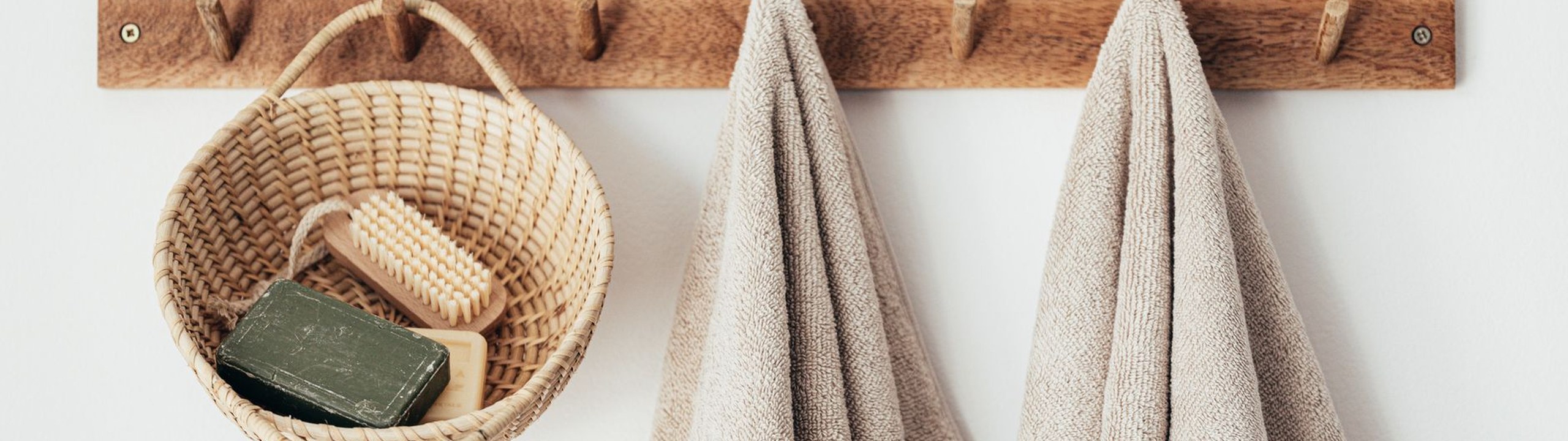
Vinegar, baking soda and wool dryer balls are the best thing to soften towels without adding a water-resistant layer. The same logic applies to kitchen towels and other linens you want to stay absorbent.
1. White Vinegar in the Rinse
White vinegar in the rinse doesn’t leave a coating on a towel’s terry loops the way a liquid fabric softener does.
Keep it to a small splash in the rinse dispenser rather than a heavy pour. Used this way, towels keep their absorbency wash after wash, since there’s no waxy coating left behind to build up over time.
2. Baking Soda in the Wash
Baking soda goes into the wash cycle instead of the rinse, mixed in with the detergent. It carries no cationic surfactant to coat the fibers, so it never creates the same absorbency trade-off a liquid softener does.
3. Wool Dryer Balls
Wool dryer balls skip the wash and rinse cycles entirely. They tumble between towels through plain friction, not chemistry, keeping the load from clumping while it dries. No surfactant coating ever touches the fibers, so they don’t add to that same absorbency trade-off either.
They’re still worth adding to how you dry towels in a dryer, since a chemical-free option costs nothing extra once you already own the balls.
FAQs
Can I Use Fabric Softener on Towels Occasionally Without Ruining Them?
Yes, an occasional dose of fabric softener won’t ruin towels. Repeated overuse creates the layered buildup that cuts into absorbency. One dose here and there doesn’t.
Does Fabric Softener Damage Towels Permanently?
No, fabric softener does not damage towel fibers permanently at the label dose. The coating already cuts into how much water the loops hold, but switching to a vinegar rinse or baking soda wash stops you from adding any more of it.
What Can I Use on Towels Instead of Fabric Softener?
Instead of fabric softener, reach for white vinegar, baking soda or wool dryer balls. All of them soften towels without adding a water-resistant coating, so pick whichever fits the step in your laundry routine you already do.
References:
- https://pmc.ncbi.nlm.nih.gov/articles/PMC4700061/
- https://www.jstage.jst.go.jp/article/jos/70/4/70_ess20297/_article/-char/en
- https://www.pratt.k-state.edu/docs/facs/laundering-guide.pdf
- https://pmc.ncbi.nlm.nih.gov/articles/PMC8146927/