
White vinegar added to the rinse cycle is the single best thing to soften towels with. It dissolves the detergent residue and hard water mineral deposits that make fibers stiff, restores absorbency, and leaves zero buildup – all for pennies per load.
But vinegar isn’t the only method worth knowing. Through hands-on testing of pantry staples, dryer tricks, and washing techniques, we’ve identified nine proven ways to get soft and fluffy towels without reaching for commercial fabric softener. Here’s what actually works.
Quick Summary
- White vinegar in the rinse cycle dissolves detergent buildup and relaxes fibers.
- Baking soda in the wash breaks down mineral deposits that cause stiffness.
- Wool dryer balls physically agitate fibers during drying and improve airflow.
- Using less detergent prevents the buildup that causes roughness in the first place.
- An extra rinse cycle ensures all detergent residue is washed out of towels.
- Avoid fabric softener – it coats fibers with a waxy film and reduces absorbency [1].
1. White Vinegar in the Rinse Cycle
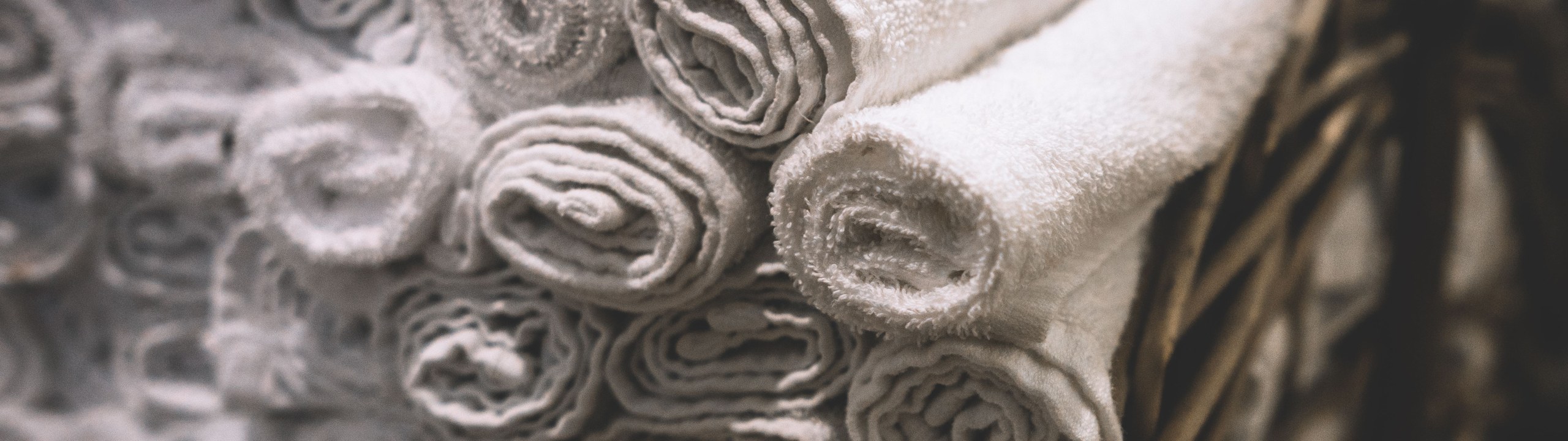
Add one cup of white vinegar to the fabric softener compartment or directly into the rinse cycle. The mild acidity dissolves alkaline detergent residue and hard water mineral deposits that stiffen cotton towels over time [2].
White vinegar softens towels and eliminates odors without leaving any coating on the fabric. Concerned about a lingering vinegar smell? It dissipates completely once the towel is dry.
This is one of the most effective, cost-efficient ways to make your towels soft again – and it actually improves absorbency rather than reducing it.
2. Baking Soda in the Wash
Use half a cup of baking soda added directly to the drum before running the wash cycle. Baking soda neutralizes detergent residue and softens towels by loosening mineral buildup trapped in the fibers.
Its mild alkaline properties help fibers relax and regain their natural fluffiness. This works especially well as a reset wash with half the usual detergent dose – or with none at all – to clear existing buildup.
It also neutralizes any musty odor that stiff bath towels tend to develop between washes.
3. The Two-Step Vinegar and Baking Soda Method
Use baking soda in the wash cycle and white vinegar in the rinse as two separate steps – never combined in the same cycle, because they neutralize each other and cancel out their benefits.
Using a vinegar rinse followed by baking soda can help restore softness to old towels that feel stiff and rough. This two-step process strips accumulated detergent and mineral buildup in one load, leaving towels noticeably softer.
Repeat every one to three months as a deep-reset treatment, particularly if you live in a hard water area.
4. Wool Dryer Balls
Toss two to four wool dryer balls into the dryer with your towels. As they tumble, they create physical space between the towels, allowing more air to circulate and naturally agitating fibers into a softer state.
Using wool dryer balls helps fluff towels and can reduce drying time by 30 to 50 percent, depending on your dryer [3]. They also reduce static without any chemical products.
Each set lasts roughly 1,000 cycles – about two to three years of regular use – making them far more economical than dryer sheets over time.
5. Aluminum Foil Balls
Crumple two or three tennis ball-sized sheets of aluminum foil into tight, firm balls and add them to the dryer.
They reduce static electricity and keep towels tumbling separately for better airflow – delivering a similar result to wool dryer balls at essentially zero cost.
This is a practical trick when you need fluffy towels but don’t have dedicated dryer accessories on hand. Replace the foil balls every few months when they start to lose their shape.
6. Tennis Balls
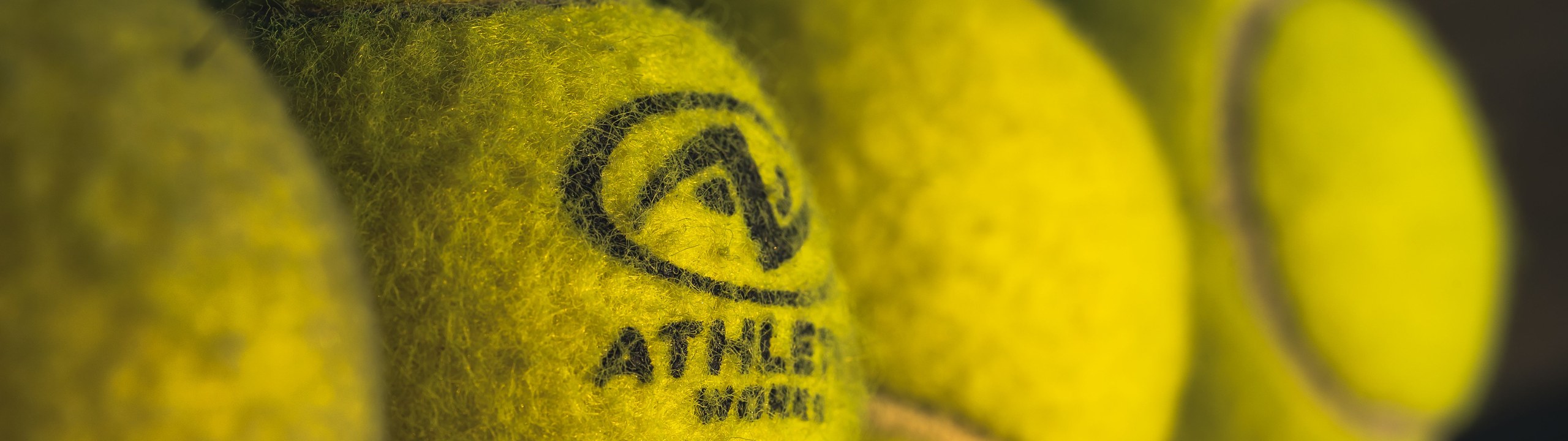
Tennis balls in the dryer help relax towel fibers and prevent towels from bunching together during drying. Two clean tennis balls added to the dryer serve the same function as wool dryer balls – they fluff the fibers and improve separation.
Tennis balls in the dryer can help soften towels, though wool balls outperform them on overall softness and longevity. A useful, low-cost option that works in a pinch. Just make sure the tennis balls are clean and dry before tossing them in.
7. Use Less Detergent
Using too much detergent leads to towel stiffness – it’s the most common reason towels feel scratchy after a few washes. Laundry soap residue can cause stiff towels because excess soap that doesn’t fully rinse out coats the fibers and locks them together as they dry.
Cutting the recommended detergent amount by 30 to 50 percent – particularly in high-efficiency machines that use less water – dramatically reduces buildup without affecting cleaning performance. Avoid using too much detergent to prevent stiffness; your towels and your washer will both benefit.
8. Extra Rinse Cycle
Running an additional rinse cycle after the main wash flushes out leftover soap and softener residue that makes fibers clump and stiffen. An extra rinse cycle can ensure all detergent residue is washed out of towels, which is especially important after using vinegar, citric acid, or heavier loads.
Pair this with a reduced detergent amount for the best ongoing result. Most washing machines have a dedicated “extra rinse” option – it’s a small addition to your laundry routine that makes a noticeable difference in towel softness.
9. Air and Sun Drying
Hang towels outside in a light breeze and direct sunlight after washing. The gentle movement loosens fibers naturally, while UV light provides mild brightening on white towels.
Air dry your bath towels until they’re mostly dry, then finish with a short 10-minute tumble dry on low heat to restore fluffiness. This combination avoids the risk of over-drying towels, which can make them stiff and scratchy.
Give each towel a firm shake before hanging – this simple step separates the fibers and helps prevent that cardboard-like stiffness from line drying.
FAQs
Can I Use Fabric Softener Occasionally Without Ruining My Towels?
Using fabric softener occasionally won’t ruin your towels permanently, but even occasional use adds a waxy coating that reduces absorbency over time. White vinegar delivers the same softening result without that downside, making it the better long-term choice for absorbent towels.
How Often Should I Do a Vinegar or Baking Soda Treatment?
You should do a vinegar or baking soda treatment once every one to three months to reset buildup and restore softness, depending on hard water severity and detergent amount. If towels feel rough sooner, cut the detergent dose before adding another treatment cycle.
Why Are My Towels Still Rough After Trying Vinegar?
Your towels may still be rough after trying vinegar because severe mineral buildup needs two or three consecutive treatment cycles to fully clear. If hard water keeps stiffening them, a citric acid wash or a dedicated water softener delivers better long-term results than vinegar alone.
References: