
If your bath towels come out stiff, scratchy or still damp in the middle, the problem isn’t the towels. It’s the drying process. The good news is that a few simple changes to your process will fix it permanently.
Here’s exactly what I do to dry bath towels so they stay soft, fluffy and absorbent load after load, plus some tips on how to protect them from wear and tear.
Quick Summary
- Shake each towel out before loading to loosen fibers and prevent clumping. If you are washing towels for the whole house, split the load instead of forcing everything in at once.
- Use low to medium heat since high heat breaks down cotton fibers over time and makes towels scratchy. Add wool dryer balls to improve airflow and soften fibers naturally.
- Remove towels promptly once the cycle ends to prevent musty odors and wrinkles. Skip dryer sheets entirely because they coat fibers with a waxy residue that kills absorbency.
How to Prepare Towels Before the Dryer
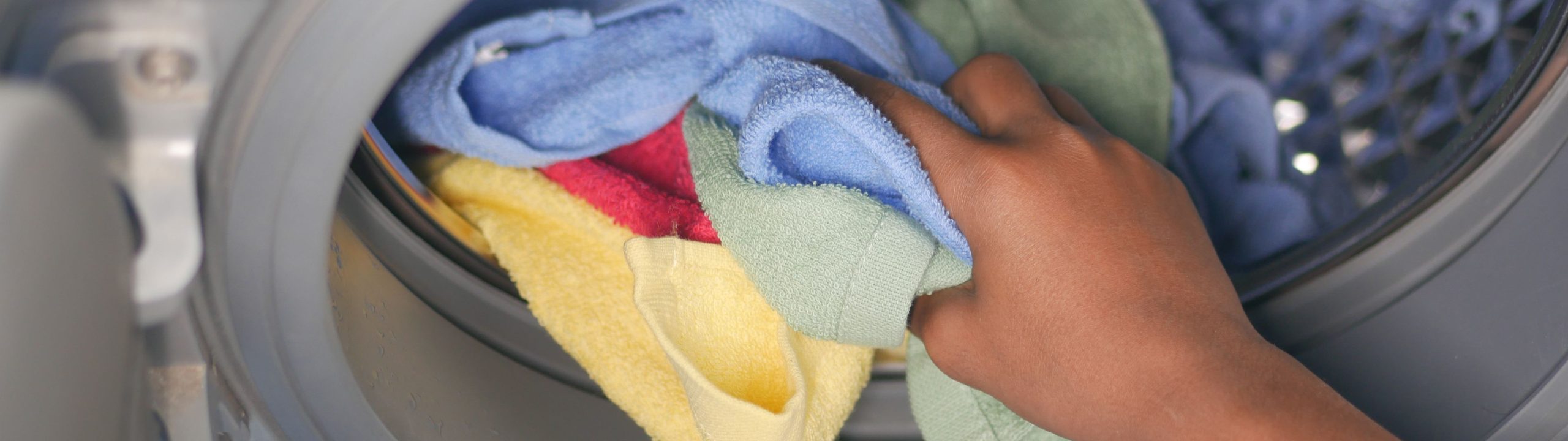
These three steps take under a minute but help keep your towels in better shape from the beginning, whether you use a tumble dryer or air dry them.
1. Give Each Towel a Good Shake
Right after pulling wet towels from the washing machine, hold each one by opposite corners and give it a firm, brisk shake several times.
This separates sticking and tangled fibers, preventing them from clumping together in the dryer drum. Better airflow means faster and more even drying, with noticeably fluffier towels at the end.
2. Load the Dryer Correctly
Fill the tumble dryer to no more than two-thirds of its drum capacity. When you bunch too many wet towels in together, hot air can’t circulate properly.
Outer towels overdry while the ones in the middle stay damp. Dry towels only with other towels. Mixing them with clothing that has zippers or hooks causes snags, pilling and uneven drying times.
3. Add Dryer Balls Before You Start
Throw two to four wool dryer balls into the drum before starting the cycle. They physically separate towels as they tumble, making space for warm air to reach every surface.
Wool dryer balls can reduce drying time by up to 25% depending on load size, and unlike dryer sheets, they leave zero residue on fibers. Tennis balls work as a free alternative if you don’t have dryer balls on hand.
Dryer Settings for Towels
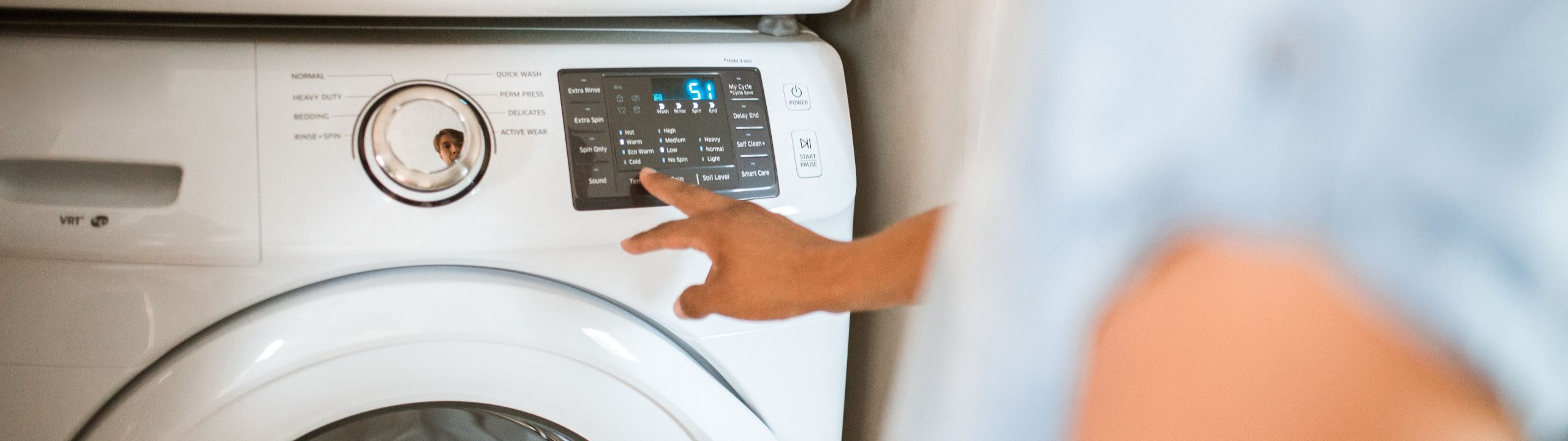
I use these settings every time to keep my towels soft.
1. Heat Level
Use low to medium heat for everyday drying. Medium heat runs at around 130–140°F (54–60°C), warm enough for efficient evaporation without putting stress on cotton loops.
High heat causes real damage: research found that repeated high-temperature drying can reduce cotton fabric strength by 25% or more and accelerates fiber cracking that produces excess lint and fraying [1].
A low heat setting around 125°F is the better default if you’re drying plush or luxury bath towels.
2. Drying Cycle
A normal or regular cycle is the best match for most bath towels. It delivers sustained medium heat and enough tumble time for thick absorbent fabric to dry all the way through.
It’s essential to avoid quick-dry cycles since they use high heat to rush the process, which defeats the point. Skip permanent press too, as the cool-down phase often leaves thick towels still damp in the center.
If your dryer has a moisture sensor, use it. These smart cycles stop automatically when towels are dry, preventing overdrying without any guesswork.
3. Drying Length
Most standard bath towels need 40–60 minutes at medium heat. Thick bath sheets may need 70–80 minutes to dry fully. Check halfway through and pull out any lighter items that are already dry to stop them from overdrying while the rest finishes.
If towels regularly take longer than expected, check your load size first then clean the lint trap. A partially blocked lint trap can increase energy usage by up to 30%.
Air-drying towels until slightly damp before transferring them to the dryer is a great way to cut overall dryer time while still getting that fluffy finish.
Common Dryer Mistakes to Avoid
Even with the right settings, a few habits undo everything. These are the ones that damage fibers, reduce absorbency and create musty smells.
1. Using Too Much Heat
High heat feels like a quick fix for musty or heavily soiled towels, and occasionally it is. The heat can sanitize a load and kill lingering bacteria.
But using it every cycle breaks down the cotton loops that give towels their softness and absorbency. More heat means more lint, which is literally fiber leaving your towels for good. Reserve high heat for occasional deep cleans, not everyday laundry.
2. Overdrying
Running the spin cycle well past the point of dryness stiffens fibers unnecessarily and compresses the loop structure that makes towels absorbent.
Remove towels while they’re still slightly warm to the touch then fold or hang them straight away. Using one clean dry towel in the dryer alongside wet ones can speed up the drying process and reduce the temptation to keep adding extra minutes just to be safe.
3. Using Dryer Sheets or Fabric Conditioner
Dryer sheets deposit a waxy heat-activated coating on fibers that reduces absorbency a little more with every cycle. Fabric conditioner works the same way since both products leave a silicone or wax-based residue that slowly clogs the cotton loops.
Studies show that repeated use of fabric softeners and dryer sheets can measurably reduce towel absorbency, with Consumer Reports noting that residue buildup leaves “a layer of residue on your clothes and reduce the absorption of your towels” [2]. Wool dryer balls give you the same tumbling and static-reduction benefit with zero residue.
If your towels have already lost absorbency, strip them by running a wash with half a cup of white vinegar and no detergent to break down built-up residue and restore absorbency.
4. Leaving Towels Sitting in the Dryer
Towels left in a closed cooling dryer trap residual moisture, which encourages mildew, musty smell and bacteria growth.
Wrinkles also set quickly into warm damp fabric and are stubborn to shake out later. Fold or hang towels within a few minutes of the cycle ending and this one habit alone keeps towels fresh between washes.
FAQs
How Long Should Towels Take To Dry In A Dryer?
Most towels should take 40-60 minutes to dry in a dryer at medium heat. Larger bath sheets take up to 80 minutes. If towels regularly take longer, check for an overloaded dryer or a blocked lint filter, as clogs raise energy costs.
Can I Dry Towels With Other Clothes?
Yes, you can dry towels with other clothes, but it is not ideal. Towels dry slower than most garments, causing overdrying or uneven results, and mixing leads to lint transfer, pilling, and bacteria transfer. Group items by similar weight and fabric thickness at minimum.
Why Do My Towels Feel Stiff After The Dryer?
Towels feel stiff after the dryer due to detergent buildup, hard water minerals, or high heat. Hard water deposits minerals in fibers after every wash cycle. Add half a cup of white vinegar to the rinse cycle, switch to medium heat, and measure detergent carefully to avoid excess soap.
Why Did My New Towels Lose Softness So Quickly?
New towels lose softness so quickly because manufacturers apply a silicone or finishing coating to feel soft in-store, which washes out after the first one or two cycles. Once gone, towels become more absorbent – follow proper drying practices to maintain softness from that point on.
References: