
To get dingy white towels bright again, remove the buildup first, then whiten with oxygen bleach, hydrogen peroxide, vinegar, baking soda, or sunlight.
Once-bright towels usually turn grey or yellow from detergent residue, body oils, hard water, fabric softener, and bleach misuse.
Quick Summary
- Baking soda breaks down mineral deposits and refreshes fibres. White vinegar in the rinse cycle dissolves soap residue and restores softness.
- Hydrogen peroxide is gentler than chlorine bleach. Oxygen bleach is safe for most fabrics and highly effective on white towels.
- Sun drying provides a natural bleaching effect with no chemicals, especially on a sunny day after a hot wash.
How to Whiten Dingy Towels
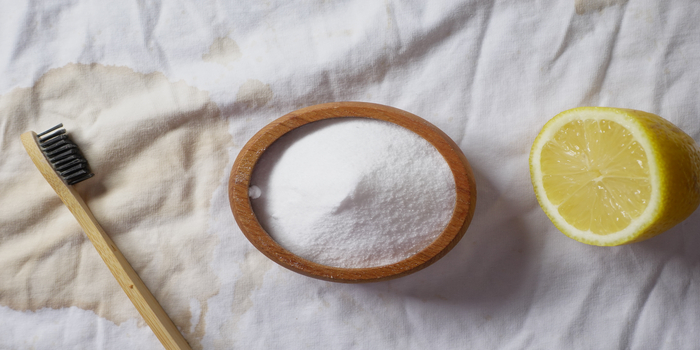
Start with clean-looking towels that still appear dull, yellow, rough, or less absorbent. Check the care label first, wash towels separately from clothes or bedding, and avoid overloading the washing machine so every towel can rinse properly.
1. Baking Soda Wash
Add half a cup of baking soda directly to the washer drum with dingy white towels. Run a warm water wash cycle with no regular detergent. Baking soda helps loosen mineral deposits, sweat, smells, and trapped residue so the cotton fibers can reset. This trick is fine for towels, bath sheets, and a fluffy white towel that has become rough.
2. White Vinegar Rinse
Add ½–1 cup white vinegar to the fabric softener dispenser, not directly with baking soda. Vinegar breaks down detergent buildup and softens fabric, acting as a natural brightener and fabric softener. Using vinegar in the wash can deodorize fabrics and remove stains from towels, but it may reduce detergent effectiveness, so the rinse cycle is better.
3. Hydrogen Peroxide Soak
Soak towels in warm water with diluted hydrogen peroxide before washing. Hydrogen peroxide is a gentle bleaching agent that helps remove stains without the fiber damage caused by frequent chlorine bleach [1]. For localized stains, treat the spot with a paste of hydrogen peroxide and dish soap, let it sit briefly, then wash and rinse thoroughly.
4. Oxygen Bleach Treatment
Use powdered oxygen bleach instead of chlorine bleach to avoid yellowing. Soaking towels in hot water mixed with powdered oxygen bleach removes residue without harsh chemicals. It can whiten towels, remove stains, and disinfect without damaging the fabric. Dissolve the powder in the water first so it activates evenly and does not leave gritty residue on the towels. Follow the package instructions, add it to the wash cycle, and use hot water if the care label allows.
For severe buildup, laundry stripping is another option. Fill a tub, bathtub, or utility sink with hot water, borax, OxiClean, and detergent. Soak towels for 5–6 hours, agitating periodically. Rinse, run a drain and spin cycle, then do a regular wash cycle with detergent and a small amount of bleach or bleach alternative.
5. The Boiling Method
Why Do White Towels Go Dingy?
White towels turn dull when residue, minerals, oils, and oxidation build up faster than the wash can remove them. Old towels often turn yellow or gray due to detergent buildup, body oils, and mineral deposits.
1. Detergent and Product Buildup
Excess detergent builds up and attracts dingy residue. Over time, regular use and washing can cause towels to accumulate soap residue and body oils, leading to a dingy appearance and yellowing, especially in white towels. Reducing the use of detergent prevents buildup in towels and helps each load rinse clean.
2. Hard Water Mineral Deposits
Hard water contains calcium and magnesium that cling to towel fibers and leave a dull, chalky film [2]. These mineral deposits make towels feel stiff, rough, and less bright white. Washing soda, also called sodium carbonate, can help soften hard water, but repeated buildup may need oxygen bleach or laundry stripping.
3. Overuse of Chlorine Bleach
Chlorine bleach reacts with body oils and turns towels yellow. Used regularly, bleach can also weaken cotton fibers and expose the naturally yellow core of the fabric. Oxygen bleach is a safer long-term choice because it whitens without the same harsh damage caused by chlorine bleach.
4. Iron and Rust in Tap Water
Iron in tap water, especially from older plumbing, can leave orange, brown, or yellow stains on white fabric. Towels can also turn yellow from skincare products that contain ingredients like benzoyl, which can cause discoloration when they touch wet towels. These stains need targeted treatment, not more detergent.
How to Keep White Towels White

Use Less Detergent
Use less detergent than the bottle suggests, especially in a high-efficiency machine. Too much detergent is the primary cause of grey buildup because it traps dirty residue in the fibers. A helpful tip is to use half the recommended amount, avoid overloading the washer, and run an extra rinse regularly.
Skip Fabric Softener
Fabric softeners leave a waxy coating that traps dirt and reduces absorbency. Using fabric softeners can contribute to towel discoloration, as residues may cause yellowing over time, particularly in cotton towels. Use white vinegar for softness instead, and throw wool dryer balls in the dry cycle to keep towels fluffy without dryer sheets.
Wash Hot Periodically
Wash towels in hot water periodically to flush out body oils, detergent, and mineral residue. Hot cycles help keep towels clean, bright, and soft, but always check the care label. Wash towels separately from coloured clothes, bedding, and decorated fabrics to prevent dye transfer and keep the load rinsing properly.
FAQs
Is it safe to use chlorine bleach on white towels?
Occasional diluted bleach is fine, but frequent use damages cotton fibers and can make towels yellow. Chlorine bleach reacts with body oils and may worsen discoloration. Oxygen bleach is the safer long-term alternative for whitening towels without weakening the fabric.
Can I mix baking soda and vinegar together to whiten towels?
No. Mixing vinegar and baking soda neutralizes their cleaning power. Use baking soda during the wash cycle, then add white vinegar to the fabric softener dispenser for the rinse. Used separately, this combination can effectively whiten towels.
How often should I whiten my white towels?
Use a monthly maintenance wash with baking soda or vinegar. Reserve oxygen bleach, laundry stripping, or boiling for heavily discoloured loads or quarterly deep cleans. If towels stay yellow, rough, or thin after treatment, replacement may be better.
What do plumbers say about baking soda and vinegar?
Plumbers often say baking soda and vinegar fizz impressively but are weak for serious drain cleaning because they neutralize each other quickly. For laundry, the same rule applies: use them separately, not together, if you want useful cleaning power.
What are the drawbacks of using vinegar and baking soda for cleaning?
Vinegar can reduce regular detergent performance if added during the main wash, and too much acid may affect some fabrics. Baking soda is mild, so it may not remove deep stains fast. Lemon juice is also useful, but never mix it with vinegar or baking soda.
References:
- https://pmc.ncbi.nlm.nih.gov/articles/PMC8746306
- https://www.usgs.gov/water-science-school/science/hardness-water