
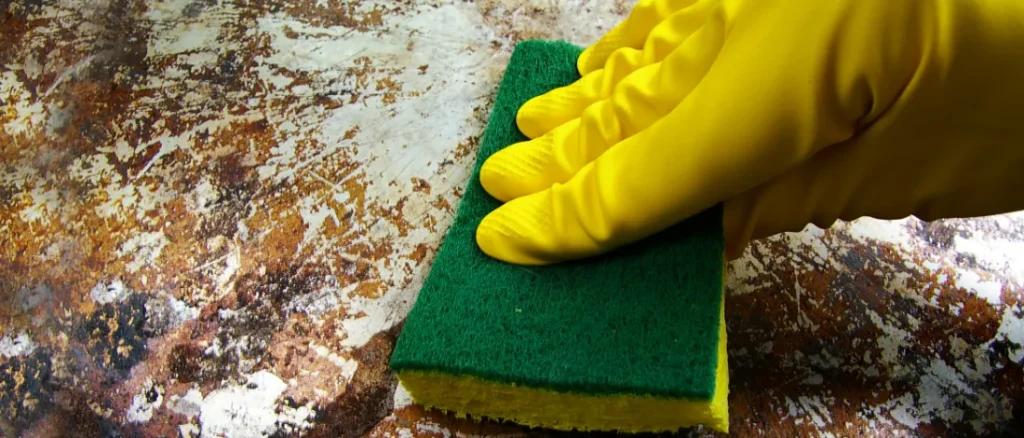
We’ve all been there: you step away from the stove for just a moment, and when you return, your dinner is ruined, and your favorite pan has a layer of burnt food stuck to the bottom. It’s frustrating, and your first instinct might be to throw the pan away and buy a new one.
The good news is that you don’t need to replace your burnt cookware. After spending 3 weeks testing 8 different cleaning methods on various types of burnt pans in our test kitchen, we’ve identified the most effective techniques that actually work without hours of scrubbing.
In this article, we’ll share proven methods for cleaning burnt pans using simple household ingredients, along with specific techniques for different pan types to ensure you don’t damage your cookware while restoring it to like-new condition.
Quick Summary
• To clean a burnt pan, boil equal parts water and white vinegar, then add 2 tablespoons of baking soda to create a fizzing action that lifts burnt food from the surface.
• Always scrape off as much burnt food as possible while the pan is warm using a wooden spoon or silicone spatula before attempting any cleaning method.
• Different pan types require different approaches: never use abrasive scrubbers on non-stick pans or acidic cleaners on cast iron to avoid permanent damage.
1. Scrape Off Burnt Food While Pan Is Warm

The first step in cleaning any burnt pan is to remove as much of the burnt food as possible before it hardens completely. This makes the subsequent cleaning process much easier and faster.
Once your pan has cooled enough to handle safely (but is still warm), use a wooden spoon or silicone spatula to gently scrape away the burnt debris. These tools won’t scratch your pan’s surface the way metal utensils would.
Don’t wait until the next day to tackle a burnt pan. The longer burnt food sits, the harder it becomes to remove [1]. While the pan is cooling, you can prepare your cleaning solution so you’re ready to work as soon as it’s safe to handle.
For severely burnt pans, you may only be able to remove the top layer of debris at this stage, but every bit you remove now will make the deep cleaning easier.
2. Use Baking Soda and Vinegar Method
The combination of baking soda and vinegar is the most effective method we tested for cleaning burnt stainless steel and ceramic pans. This technique uses a chemical reaction to lift stubborn burnt-on food.
Start by filling your burnt pan with equal parts water and white vinegar, ensuring the burnt areas are completely covered. Place the pan on the stove and bring the mixture to a boil, then let it simmer for 2-3 minutes.
Remove the pan from heat and add 2 tablespoons of baking soda to the hot liquid. The mixture will fizz and bubble vigorously, but this is normal and actually helps loosen the burnt food [2]. Let the solution soak for 15 minutes.
After soaking, discard the liquid and use a non-abrasive sponge to scrub away any remaining burnt bits.
3. Try Baking Soda and Aluminum Foil for Stubborn Stains

For particularly stubborn burns on metal pans, the baking soda and aluminum foil method provides extra scrubbing power without damaging the surface.
Sprinkle a generous layer of baking soda over the burnt area, then add just enough water to create a paste. Crumple a piece of aluminum foil into a tight ball, about the size of a golf ball.
Use the aluminum foil ball to scrub the pan in circular motions. The foil acts as a gentle abrasive that’s more effective than a regular sponge but won’t scratch metal surfaces [3]. You’ll see the burnt residue start to lift away as you work.
Important warning: Only use this method on stainless steel or aluminum pans. Never use aluminum foil on non-stick or ceramic cookware, as it will scratch and damage the coating permanently.
4. Clean with the Lemon Boiling Method
If you prefer a natural cleaning method that leaves your kitchen smelling fresh, the lemon boiling technique is an excellent choice for mild to moderate burns.
Slice 2-3 lemons into quarters and place them in your burnt pan. Add enough water to cover the bottom of the pan and the lemon pieces, then bring the mixture to a boil on your stove.
Reduce the heat and let the lemons simmer for 5-10 minutes. You’ll notice food particles beginning to float to the surface as the citric acid in the lemons breaks down the burnt residue [4]. The natural acids work similarly to vinegar but with a much more pleasant aroma.
After simmering, pour out the water and lemons, then use a regular scouring pad to remove any remaining burnt bits.
5. Use Gentle Methods for Non-Stick Pans
Non-stick pans require special care because harsh scrubbing can damage their delicate coating, making them lose their non-stick properties and potentially releasing harmful particles into your food.
For burnt non-stick pans, fill the pan with warm water and add a generous pour of white vinegar (about 1 cup). Stir in 2 tablespoons of baking soda, then place the pan on the stove and bring the mixture to a gentle boil.
Let it simmer for just 2-3 minutes, then remove from heat and allow the pan to cool completely. Use a soft sponge or cloth to wipe away the loosened burnt food—never use steel wool, abrasive pads, or metal utensils on non-stick surfaces.
If you notice your non-stick pan is frequently burning food, the coating may be damaged, and it might be time to replace it, as damaged non-stick coatings can be less effective and potentially unsafe.
6. Clean Cast Iron Pans with Salt Scrub

Cast-iron pans require a completely different approach because water, dish soap, and acidic cleaners can strip their seasoning and cause rust.
Create a paste using coarse salt (kosher salt works perfectly) and 2-3 tablespoons of water directly in the pan. The consistency should be like wet sand: thick enough to scrub but moist enough to spread.
Use a stiff-bristle brush or clean cloth to scrub the salt paste into the burnt areas using firm, circular motions. The salt acts as a natural abrasive that lifts burnt food without harsh chemicals [5].
Once the burnt food is removed, rinse the pan with hot water only (no dish soap), then dry it immediately and thoroughly with a clean towel. Apply a thin layer of vegetable oil to the entire surface to re-season the pan and prevent rust.
7. Use Dishwasher Tablets for Heavy Burns
For extremely stubborn burns that resist various different methods, dishwasher tablets offer a powerful cleaning solution using enzymes designed to break down baked-on food.
Fill your burnt pan with enough hot water to cover the burnt areas, then drop in one dishwasher tablet. Place the pan on the stove and bring the water to a boil, then reduce to a simmer for 10 minutes.
The powerful cleaning enzymes in the tablet will break down even the most stubborn burnt residue. After simmering, remove from heat and let the pan cool slightly, then use a non-abrasive brush or sponge to scrub away the loosened debris.
This method works on most pan types but is particularly effective for stainless steel. Make sure to rinse the pan thoroughly afterward to remove all traces of the cleaning solution.
8. Prevent Pans from Burning in the First Place
The best way to deal with burnt pans is to prevent burning from happening at all. Several simple practices can significantly reduce the chances of burning food onto your cookware.
Always use adequate amounts of oil or butter when cooking. Insufficient fat is one of the primary causes of food sticking and burning onto pans [6]. The oil creates a barrier between the food and the pan surface.
Avoid cooking on excessively high heat for extended periods. High temperatures can cause food to burn quickly, especially if you’re not monitoring it closely. Medium heat is sufficient for most cooking tasks.
Never leave pans unattended on the stove. Set a timer if you need to step away, and keep an eye on your food while it cooks. Most burnt pans happen because someone got distracted for just a few minutes.
Invest in quality cookware with good heat distribution. Cheap or worn-out pans are more prone to hot spots that cause uneven cooking and burning, even when you’re being careful.
FAQs
1. Can You Clean a Burnt Pan with Just Baking Soda?
Yes, you can clean a burnt pan with just baking soda by creating a thick paste with water and applying it to the burnt areas. Let the paste sit for several hours or overnight, then scrub with a non-abrasive sponge to remove the loosened burnt food.
2. Will Vinegar Damage My Cast Iron Pan?
Yes, vinegar will damage cast iron pans because its acidic nature strips away the protective seasoning thin layer and can cause rust to form. For cast iron cookware, always use non-acidic cleaners like baking soda or a simple salt scrub instead of vinegar or lemon juice.
3. How Long Should I Soak a Burnt Pan Before Scrubbing?
You should soak a burnt pan for 15 minutes to overnight, depending on burn severity. Light burns need only 15 minutes in hot, soapy water, while heavily burnt pans benefit from soaking for several hours or overnight to soften the debris so that you can wipe it off.
These should be more than enough for you to avoid having to look for answers to this question: how to clean a burnt pan?
Found this article helpful? Visit Wynbert’s homepage for premium dishwashing products that keep your cookware spotless between deep cleans.
References
- The Kitchn. “Testing five methods for cleaning burnt pans.” 2024.
- Arm & Hammer. “How baking soda’s alkaline properties neutralize acidic burnt foods.” 2017.
- Food52. “Using aluminum foil as a gentle abrasive for cookware cleaning.” 2023.
- KitchenAid. “The cleaning power of citric acid in lemons for aluminum cookware.” 2023.
- Zyliss. “Cast iron pan care and seasoning preservation techniques.” 2024.
- Gourmet Kitchenworks. “Common causes of food burning and sticking to pans.” 2025.
