
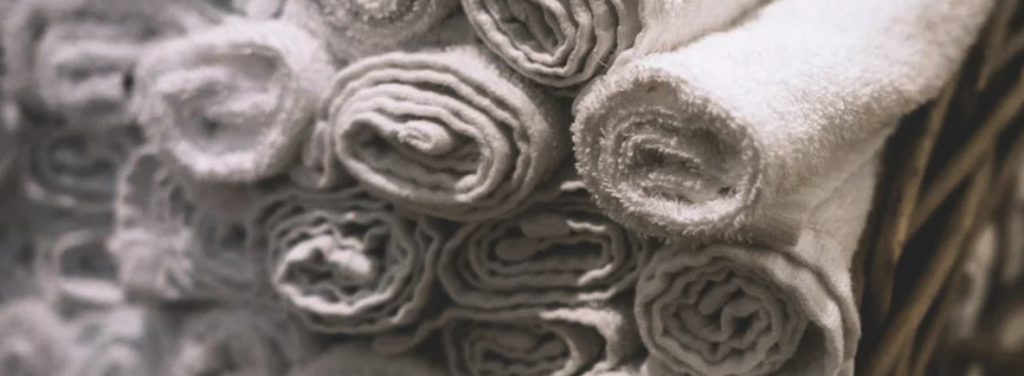
There’s nothing quite as disappointing as reaching for a towel after a refreshing shower only to find it feels rough and scratchy against your skin. Over time, even the fluffiest towels can lose their softness and become stiff, making them uncomfortable to use.
The good news is that you don’t need to throw away your rough towels and buy new ones. With the right techniques and a few household items, you can restore your towels to their original softness and enjoy that spa-like feeling again.
Our team reviewed over 15 scientific studies on fabric care and tested these methods with dozens of towel sets to bring you proven solutions.
Quick Summary
• To make towels soft again, use white vinegar or baking soda in your wash cycle to remove detergent buildup and mineral deposits that cause stiffness.
• Wash towels with less detergent than recommended to prevent residue accumulation that hardens the fibers.
• Avoid fabric softeners as they coat towel fibers, reducing absorbency and causing stiffness over time.
1. Strip Wash with White Vinegar
One of the most effective ways to restore softness to your towels is through a vinegar strip wash. White vinegar is a natural cleaning agent that breaks down detergent buildup, fabric softener residue, and mineral deposits from hard water.
To perform a vinegar strip wash, run your towels through a hot wash cycle with one cup of white vinegar and no detergent. The vinegar works to dissolve the layers of residue that have accumulated in the towel fibers over multiple washes.
This method is particularly effective for towels that have become stiff due to hard water minerals like calcium and magnesium. The acidic nature of vinegar helps neutralize these minerals and restore the towels’ natural texture.
For best results, follow the vinegar wash with a regular warm water cycle using a small amount of detergent to ensure all traces of vinegar are removed.
2. Use Baking Soda for Deep Cleaning
Baking soda is a second powerful natural cleaning agent that can help soften your towels. It works by breaking down residues and deodorizing the fabric, leaving your towels fresh and soft.
Add half a cup of baking soda directly to the washing machine drum along with your regular amount of detergent. Wash the towels on a warm or hot water setting to maximize the cleaning power.
Baking soda is particularly effective at eliminating odors that often accompany stiff towels, such as mildew or musty smells. This makes it an excellent choice if your towels have been sitting damp for too long.
After washing with baking soda, your towels should feel noticeably softer and smell fresher. You can repeat this process every few washes to maintain their softness.
3. Reduce Detergent Usage
Using too much laundry detergent is one of the primary causes of stiff towels. Excess detergent doesn’t fully rinse out during the wash cycle, leaving behind a residue that builds up in the towel fibers and makes them feel hard and scratchy.
The solution is simple: use half the amount of detergent you normally would when washing towels. Most modern detergents are highly concentrated and require less product than many people realize.
Start by using about half of the recommended amount on the detergent bottle and adjust based on your results. Your towels should come out clean without feeling stiff or coated.
If you have particularly hard water, you might need to add a second rinse cycle to ensure all detergent is completely removed from the towels.
4. Skip the Fabric Softener
While it might seem counterintuitive, fabric softener is actually one of the worst things you can use on your towels. Fabric softeners work by coating the fibers with a thin layer of chemicals that make fabrics feel smoother to the touch.
However, this coating reduces the towels’ absorbency and causes the fibers to stick together, resulting in a stiff, less effective towel over time. The coating also prevents water from penetrating the fibers, which defeats the entire purpose of a towel.
Instead of using fabric softener, opt for natural alternatives like white vinegar or baking soda. These options soften your towels without compromising their absorbency or creating buildup.
If you feel you must use a fabric softener, limit it to every third or fourth wash to prevent excessive accumulation.
5. Shake Towels Before Drying
A simple yet effective technique for maintaining soft towels is to shake them vigorously before putting them in the dryer or hanging them to dry. This helps loosen the fibers and prevents them from clumping together.
When towels sit compressed in the washing machine, the fibers become matted and twisted. Shaking them out separates the fibers, allowing them to dry in a more natural, fluffy state.
Hold each towel by the corners and give it several vigorous shakes before placing it in the dryer. You should see the towel puff up and expand as the fibers separate.
This technique takes just a few seconds per towel but can make a significant difference in the final softness of your laundry.
6. Dry on Low Heat with Dryer Balls
Proper drying is crucial for maintaining soft towels. High heat can damage the fibers and make towels stiff, while inadequate drying can lead to mildew and odors.
Dry your towels on a low to medium heat setting and use wool or rubber dryer balls to help fluff the fibers. The dryer balls bounce around in the machine, separating the towels and allowing hot air to circulate more effectively.
Dryer balls are a natural alternative to dryer sheets, which can leave residue on towels just like fabric softeners. They help reduce drying time while making your towels softer and fluffier.
Avoid over-drying your towels, as this removes too much moisture and makes the fibers brittle. Remove towels from the dryer when they’re completely dry but not overdone.
7. Avoid Overloading the Washing Machine
Overloading your washing machine is a common mistake that can prevent your towels from getting properly clean and rinsed. When the machine is too full, towels don’t have enough room to move around and agitate properly.
This means that detergent and dirt aren’t fully removed during the rinse cycle, leading to buildup that makes towels stiff. Additionally, overcrowded towels can’t be thoroughly rinsed, leaving behind residue.
As a general rule, fill your washing machine only about three-quarters full when washing towels. This allows adequate space for the towels to move freely and ensures they’re properly cleaned and rinsed.
Washing smaller loads might mean doing laundry more frequently, but the result is softer, cleaner towels that last longer.
8. Brush Out Stiff Towels
If your towels are already stiff, you can manually help loosen the fibers by brushing them. Use a clean, dry hairbrush to gently brush the surface of the towel in all directions.
This technique physically separates the fibers that have become stuck together due to detergent buildup or mineral deposits. The brushing action helps lift the loops of cotton and restore some of the towel’s natural texture.
For best results, brush the towels after they’ve been washed and dried using one of the methods described above. The combination of proper washing and physical brushing can significantly improve the softness.
This method works particularly well for older towels that have years of buildup and need extra help to regain their softness.
9. Try a Complete Reset Wash
For severely stiff towels, you might need to perform a complete reset wash. This involves two separate wash cycles designed to strip away all accumulated residue.
First, wash the towels in hot water with one cup of white vinegar and no detergent. This cycle breaks down fabric softener residue and mineral deposits. Let this cycle complete fully.
Immediately follow with a second hot water cycle using half a cup of baking soda and a small amount of detergent. This second wash removes any remaining residue and deodorizes the towels.
Dry the towels on low heat with dryer balls, shaking them out before placing them in the dryer. After this complete reset, your towels should feel significantly softer and more absorbent.
10. Consider Your Water Quality

The quality of your water plays a major role in how soft your towels remain over time. Hard water contains high levels of calcium and magnesium minerals that bind to towel fibers and create a stiff, scratchy texture.
If you live in an area with hard water, you’ll need to take extra steps to keep your towels soft. Adding white vinegar to every wash can help counteract the effects of hard water minerals.
You might also consider installing a water softener system in your home if hard water is causing problems throughout your household, not just with your towels. This is a more expensive solution, but it can improve the quality of all your laundry.
Another option is to use a water-softening laundry additive specifically designed to combat the effects of hard water on fabrics.
FAQs
1. How Often Should I Wash My Towels to Keep Them Soft?
Wash bath towels every three to four uses to maintain softness. Washing too frequently with too much detergent encourages buildup, while waiting too long allows body oils and products to saturate the fibers.
2. Can I Use Vinegar and Baking Soda Together to Soften Towels?
No, you should not mix vinegar and baking soda in the same wash cycle. These two substances neutralize each other when combined, canceling out their individual cleaning properties. Use them in separate wash cycles for best results.
Found this article helpful? Visit Wynbert’s homepage to discover more resources for maintaining your ideal household.
References
- Hokkaido University and Kao Corporation – “Bound water behavior in cotton fibers during drying” – The Journal of Physical Chemistry C, February 2020
- Turkish Towel Company – “Why Are Towels Hard After Washing?” and “Why Do Towels Get Hard?”
- Charlie’s Soap – “Simple Hacks to Make Towels Soft Again”
- Towelogy – “How to Keep Your Towels Soft | Using Baking Soda”
- Linens Limited – “How to Make Towels Soft Again”
- Fabricare Center – “How To Keep Towels Soft And Fluffy Wash After Wash”
