
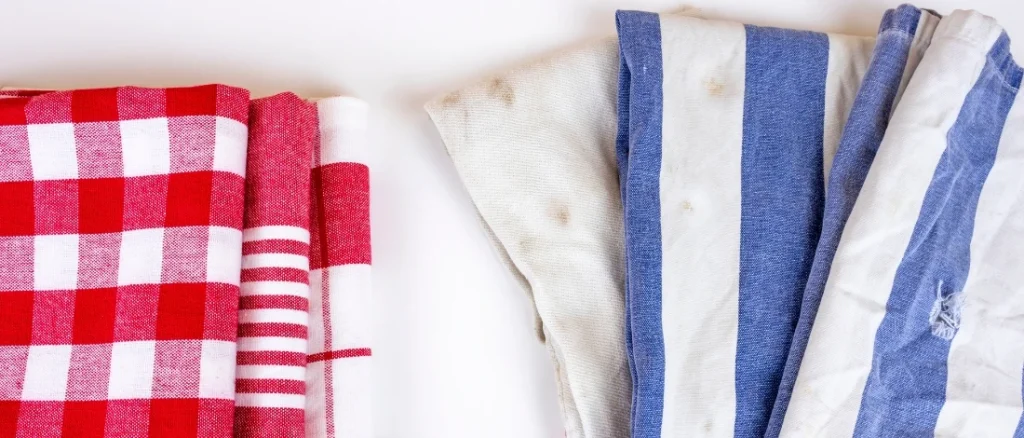
If you’ve ever pulled your towel out of the wash only to find discolored spots, orange marks, or dull patches, you’re not alone.
Many people wonder: why is my water staining my towel? Whether you use white towels, light colored towels, or colored fabrics, your laundry routine and water quality can both play a part. From hands-on testing of household cleaning solutions and water treatment methods, we’ve pinpointed the root causes behind these frustrating stains.
This article breaks down the most common causes of towel stains and offers easy ways to prevent and fix them.
Quick Summary
• Water quality is a major factor in towel discoloration, with hard water minerals, chlorine, and iron being common culprits.
• Using the right detergent and avoiding excessive amounts can prevent soap scum and preserve towel colors, while bleach residues can cause fading and damage.
• Having a proper laundry routine, including regular rinsing and using a water softener, can help maintain the appearance and longevity of your towels.
Causes of Water Stains on Towels

Water stains on towels are a common issue that can ruin the appearance of both white and colored towels.
1. Mineral Deposits in Hard Water
Hard water is a primary culprit behind towel discoloration, as it contains minerals like calcium and magnesium that can build up on your towels, causing them to look dingy and feel rough.
This mineral buildup not only affects the appearance but also reduces the effectiveness of your laundry detergents by creating soap scum.
Installing a water softener or using agents like borax or washing soda can help. Pre-treating stains with white vinegar
How To Prevent Towel Discoloration

Preventing towel discoloration involves understanding the common staining sources and applying preventive measures. Here are some practical solutions to consider.
1. Use a Water Softener
Installing a water softener can effectively reduce mineral buildup that leads to towel discoloration. Water softeners work by exchanging calcium and magnesium ions in the water with sodium ions, preventing solid mineral deposits.
Regularly deep-cleaning clothes and soaking them in a vinegar solution helps prevent mineral buildup. Using a water softener and regular cleaning maintains your towels’ cleanliness and quality.
2. Proper Laundry Routine
A proper laundry routine is crucial in preventing towel discoloration. Using the right amount of detergent and avoiding harsh chemicals can help maintain the color and quality of your towels.
Hot water eliminates bacteria and provides a deeper clean. Additionally, a second rinse cycle effectively removes soap residue, preventing stiffness.
3. Pre-Treating Stubborn Stains
Pre-treating stubborn stains with a baking soda paste can improve your towels’ cleanliness and appearance. Mix baking soda with water to form a paste and apply it directly to the stains.
Allow the paste to sit for at least 30 minutes before washing to enhance stain removal. This simple step significantly helps in maintaining your towels.
4. Avoid Mixing Towels with Bleach-Sensitive Items
Keep light colored towels and colored towels separate during washing. Items like cleaning rags or clothing that’s been in contact with chlorine bleach or cleaning products can cause bleach spots or color transfer.
Washing towels separately reduces the risk of discoloration caused by leftover chemicals from other fabrics.
5. Let Skincare Products Dry Before Using Towels
Skincare products like acne treatments or whitening toothpaste often contain bleaching ingredients, such as benzoyl peroxide. If you dry your face or hands with a towel before the product dries, it can leave discolored spots or faded areas.
4 Tips for Maintaining White Towels

Let’s explore some additional tips for keeping your white towels looking pristine.
1. Use Hot Water for Washing
Washing towels in hot water can dissolve mineral deposits such as calcium and magnesium, preventing staining. Hot water increases the cleaning power of detergents, allowing them to work more effectively in breaking down stains.
Pre-treating stubborn stains with baking soda or white vinegar before hot water washes maximizes cleaning effectiveness.
2. Rinse Twice
Adding an extra rinse cycle helps eliminate any leftover detergent and residues that could stain or damage your towels. This extra rinsing step ensures your towels are thoroughly cleaned and residue-free.
Removing all detergent and cleaning residues after washing is crucial to maintain towel quality, as any residues that remain can lead to issues if they are not wiped away properly, including the importance of wiping them effectively. It is essential to leave residues behind to ensure optimal performance.
3. Regularly Clean Your Washing Machine
Cleaning the washing machine regularly can prevent odors and remove odors while maintaining its efficiency in washing towels. This simple maintenance step can make a significant difference in the quality of your laundry detergent.
4. Dry Towels Completely Before Folding
Folding towels while they’re still slightly damp can trap moisture and lead to mildew growth or unwanted smells. Always make sure your towels are fully dry before storing.
Use the dryer or hang them in a well-ventilated area until they’re completely dry. This helps keep your gorgeous towels fresh and free of odor.
FAQs
1. Why Do My Towels Smell Even After Washing Them?
Your towels smell even after washing them because of leftover detergent, trapped moisture, or mildew growth. Try washing them in hot water with white vinegar and running an extra rinse cycle to clear out buildup. Always let towels dry fully before folding or storing to prevent mold.
2. Can Using Pool Towels in the Washing Machine Stain Other Laundry?
Yes, towels used around swimming pools often carry chlorinated water or other chemicals that can transfer to white or light fabrics during washing. Rinse them thoroughly before putting them in the washer, and wash separately to avoid color changes or bleach-like spots on your other laundry.
3. Why Do My Towels Feel Stiff and Scratchy After a Few Washes?
Towels can feel stiff and scratchy when there’s mineral buildup from hard water or leftover laundry detergent stuck in the fibers. Soften them by washing with a cup of white vinegar, using warm water, and avoiding fabric softener, which can leave residues that make the fabric feel stiff over time.
If you liked this article, don’t skip our homepage for more advice on how to keep your household in pristine condition.